
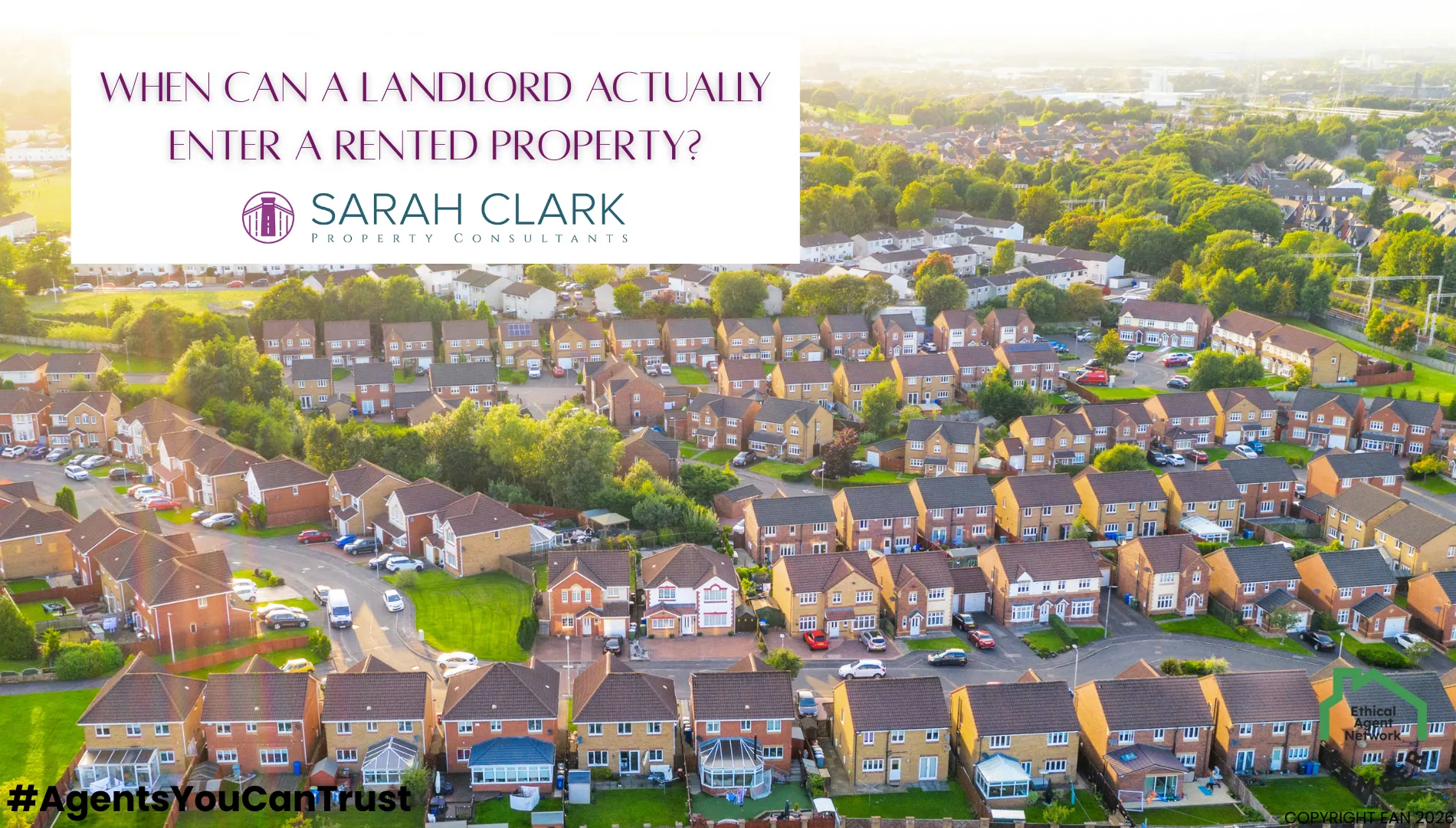
The Bristol Landlord's Guide to Property Access: Rights, Rules and Real Emergencies
It is your property. You own it. Surely you can pop round whenever you like?
Not quite. Once a tenant moves in, the rules change. And getting them wrong can land you in serious trouble.
Here is a clear guide to what you can and cannot do.
The right to quiet enjoyment
From the moment your tenant moves in, they have a legal right to quiet enjoyment of the property. That is not about noise levels. It means they have the right to live in the property without interference from the landlord.
Repeatedly turning up unannounced, entering without permission or pressuring a tenant in their own home can amount to harassment, which can be a criminal offence.
The 24-hour notice rule
For routine visits, inspections or non-urgent repairs, you must give your tenant at least 24 hours' written notice. You should also attend at a reasonable time of day and, ideally, agree the visit with them in advance.
If your tenant says the time does not work for them, you need to find a time that does. You cannot simply override their wishes because it suits you.
What counts as a genuine emergency?
True emergencies are the exception. These are situations where waiting is not safe. Think:
• A burst pipe is causing serious flooding
• A gas leak or fire risk
• A structural failure that poses an immediate danger
• A welfare concern for the tenant, for example, no contact for an unusually long period, particularly where there is genuine concern for their safety.
In a genuine emergency, you can enter without notice. But be honest with yourself about what qualifies. A leaking tap is not an emergency. Neither is needing to check the meter or show a contractor around without prior warning.
Keep a record of everything
Whenever you access a property, note down the date, the reason, who attended and what was done. If a dispute ever arises, that paper trail is your best friend.
And if you manage your property through an agent, make sure they follow the same process on your behalf. It protects you both.
The bottom line
Good landlords treat tenants with respect. That means giving proper notice, being flexible, and only entering without warning when there is a real and urgent reason.
Get this right, and you build a relationship where tenants feel comfortable. They report problems early, look after the property well and stay longer. Everyone wins.
If you have questions about your rights and responsibilities as a landlord, contact us for straightforward, no-nonsense advice.
Letting Agency Done Ethically
We are proud members of the Ethical Agent Network (EAN).
A national group of independent agents who have been independently tested to ensure we meet strict standards of honesty, service, professionalism and community care.
To learn more about what we do, why we passed the EAN test, and why we are the only local agency in the network, contact us today.


Share this with
Email
Facebook
Messenger
Twitter
Pinterest
LinkedIn
Copy this link